


Tuesday, September 1, 2026
Back to articles
From us to you
The recycling of lithium-ion batteries is a major challenge for European industry. Beyond the recovery of strategic metals, the goal is to meet growing regulatory requirements for recycling efficiency while enabling these resources to be reintegrated into new production cycles. With its selective hydrometallurgy technology, Mecaware is developing a solution for metal extraction and refining, contributing to the creation of a more circular European industry.

Lithium, nickel, and cobalt are strategic metals that are essential for the manufacture of many lithium-ion batteries. While Europe remains heavily dependent on imports for its supply, end-of-life batteries and production scrap represent sources of secondary raw materials that can be recovered.
European Regulation (EU) 2023/1542 on batteries and battery waste sets ambitious goals to enhance the circularity of this sector.
By the end of 2027, recycling processes must, among other things, recover at least 50% of the lithium and 90% of the nickel and cobalt contained in battery waste. These thresholds will be raised to 80% and 95%, respectively, by the end of 2031.
The regulations also require that, starting in 2031, certain categories of new batteries contain minimum percentages of recycled materials: 16% for cobalt and 6% for lithium and nickel.
These requirements present a twofold challenge for manufacturers: to maximize the recovery of strategic metals and to enable their reuse in new production cycles, whether in batteries or other industrial applications.
The technology developed by Mecaware is designed specifically to address these challenges.
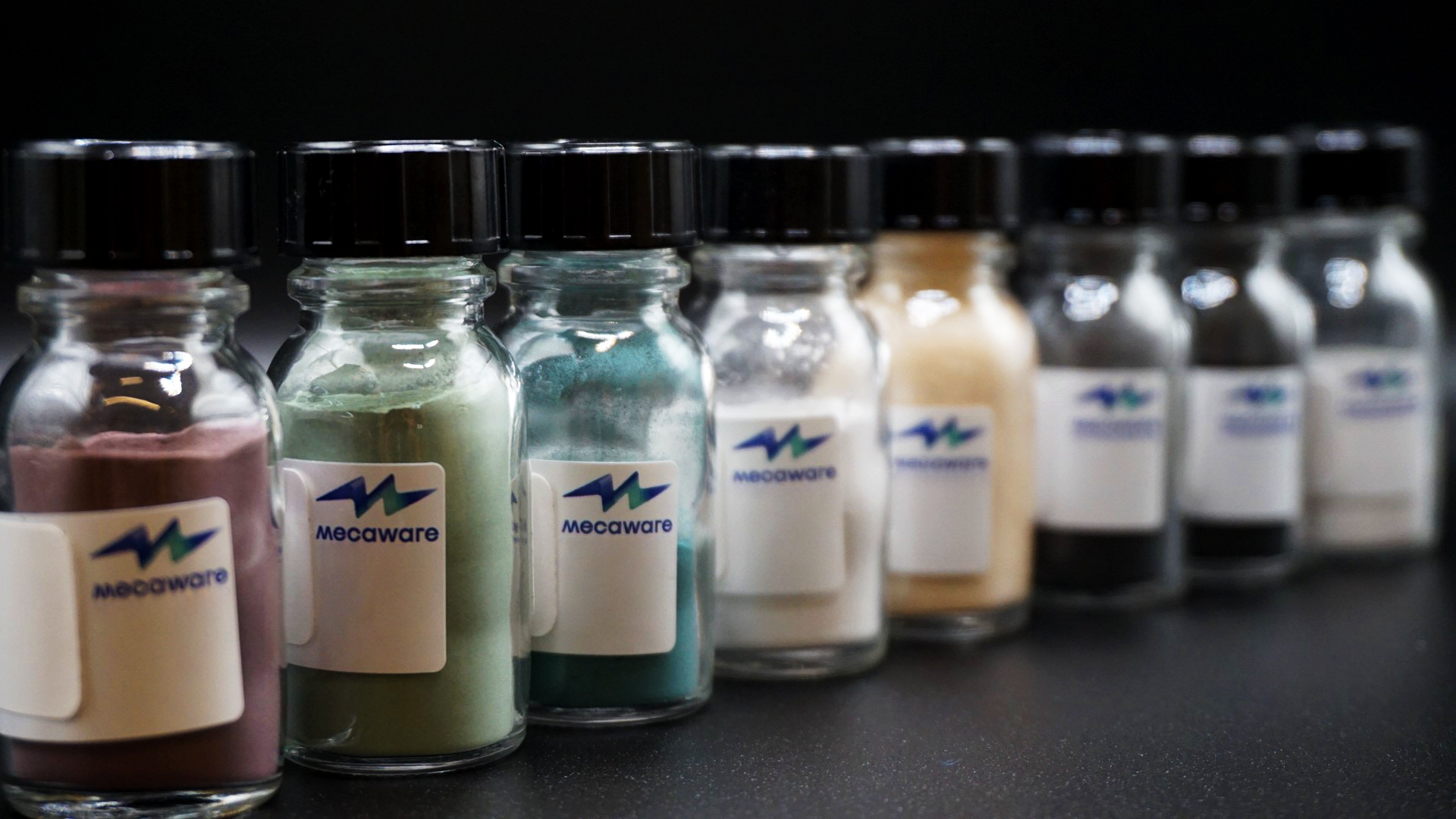
Mecaware is developing an innovative selective hydrometallurgical process that harnesses the properties of CO₂ to recover strategic metals contained in black mass, a powder produced during the pretreatment and grinding of lithium-ion batteries.
This process aims to selectively extract valuable metals—including lithium, nickel, and cobalt—and then refine them to produce high-purity materials that meet industrial requirements.
The challenge is twofold: to achieve high recovery rates in order to minimize material loss and to produce high-purity compounds that can be reused in the manufacture of new batteries or in other industrial applications.
Because closing the metal loop is not simply a matter of recycling waste. It involves transforming that waste into new industrial resources that meet specific technical specifications.
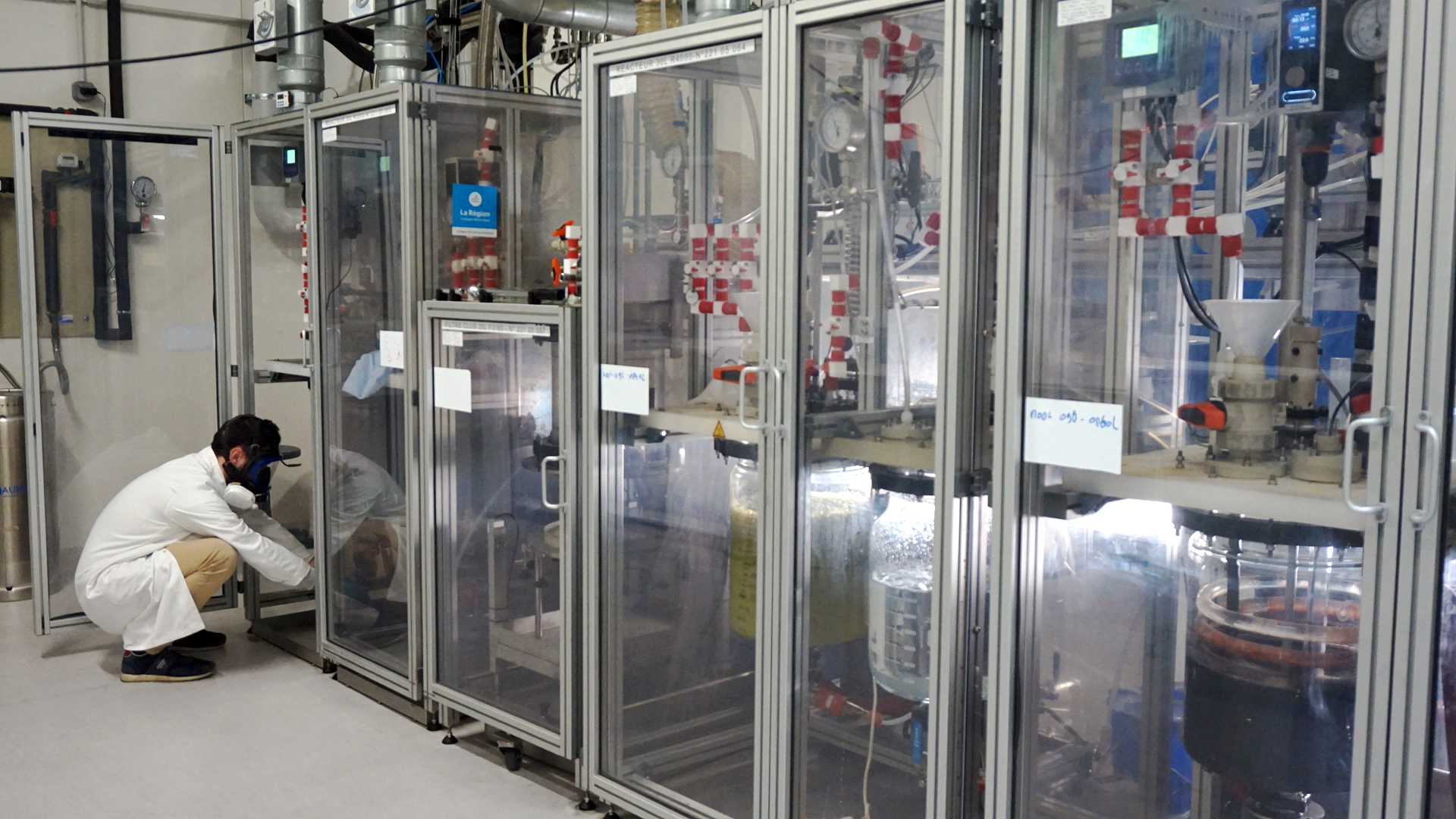
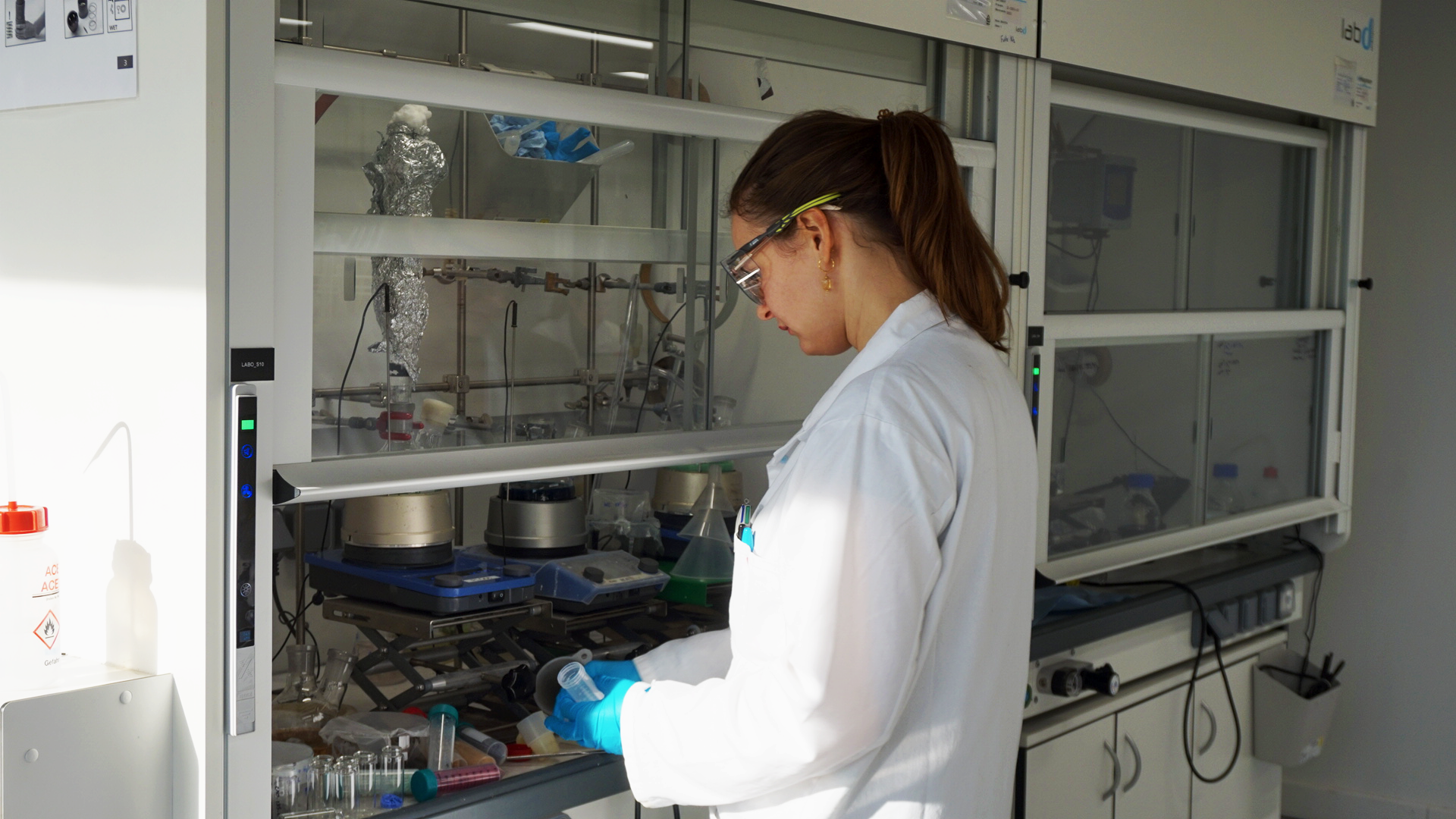
Mecaware is developing, testing , and optimizing its selective hydrometallurgical process at its technology pilot plant in Vénissieux, which operates on a kilogram scale .
The results demonstrate the technology's ability to achieve high recovery rates for strategic metals. For some of these metals, the measured performance already exceeds the targets set by European regulations for 2027.
These initial results represent an important step in validating the process, both in terms of recovery efficiency and the quality of the materials obtained.
They also help lay the groundwork for scaling up to industrial-scale operations by establishing the technical parameters necessary for the operation of higher-capacity facilities.
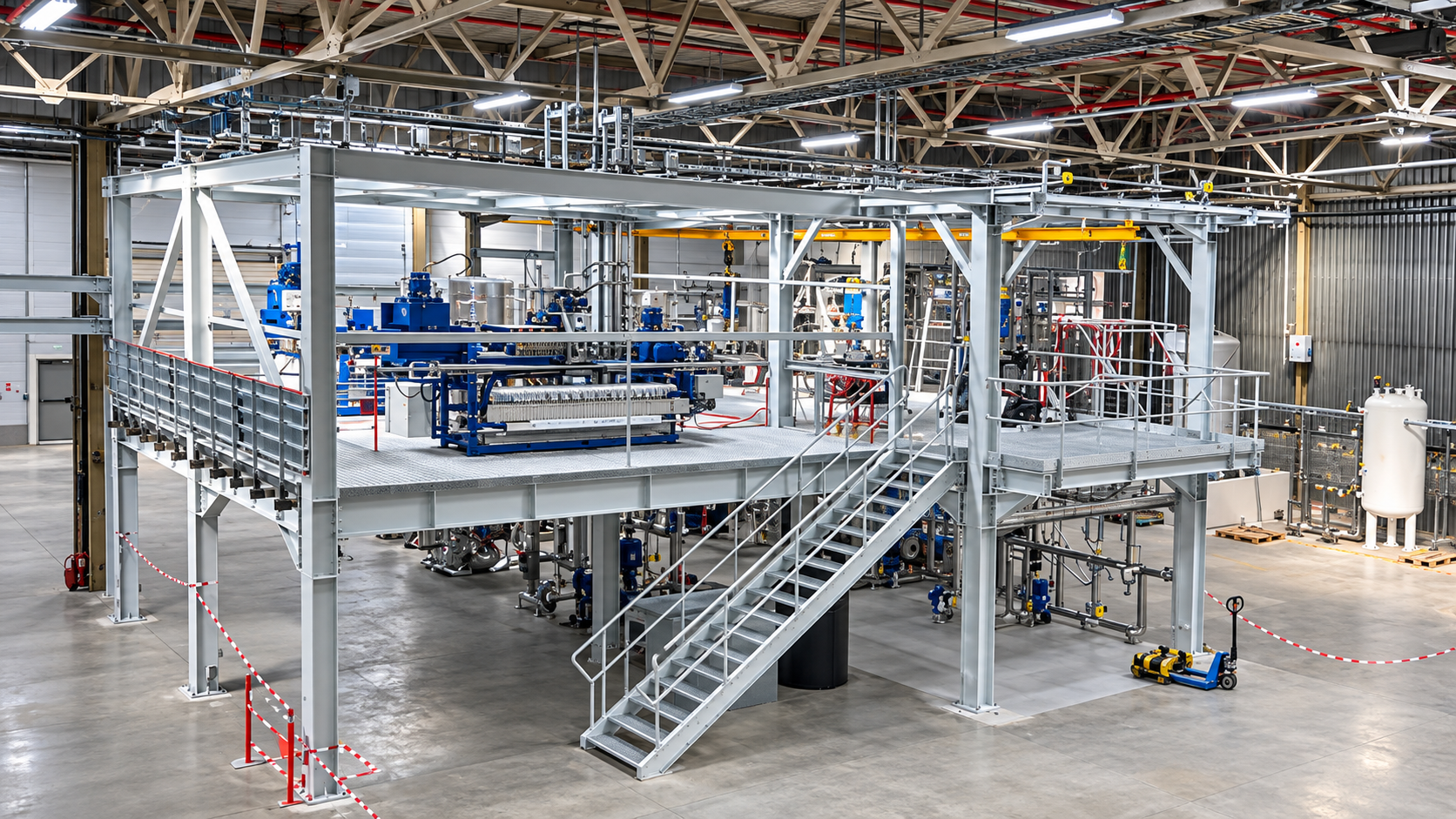
Following the validation tests conducted on its pilot plant in Vénissieux, Mecaware is taking the next step with its industrial demonstrator in Béthune, designed to operate on a metric-ton scale .
This scale-up represents a crucial step toward confirming the process's performance under industrial conditions, optimizing its operation, and preparing for its deployment on a larger scale.
At this same site, Mecaware is also developing a business focused on the disposal and dismantling of end-of-life batteries, which is already operational and generating its first revenue.
This complementary business helps ensure a steady supply of materials for recycling, while further solidifying Mecaware's position in the industrial battery value chain.
From the management of end-of-life batteries to the extraction and refining of strategic metals, Mecaware is gradually establishing the various steps necessary for their recovery.
Metal recovery is not an end in itself. For recycling to contribute fully to the circular economy, the materials obtained must be able to be reintroduced into new production cycles.
While metals recovered from recycled batteries can be reused to manufacture new batteries, their applications are not limited to this industry alone. Depending on their nature, composition, and quality, they can also meet the needs of other industrial sectors.
The challenge, therefore, is to recover these resources with high recovery rates and then refine them to produce secondary raw materials that meet industry specifications.
With its selective hydrometallurgy technology , the results achieved at its pilot plant in Vénissieux, and the development of its industrial demonstrator in Béthune, Mecaware intends to contribute to this momentum.
The goal: to enable strategic metals already present in Europe to regain their place in industrial value chains by promoting their reuse and reducing dependence on imported resources.
Read the next article


